Cooperativas eléctricas: Fenacopel celebra 62 años con la mira puesta en cálculo de tarifas para el período 2024-2028

Cooperativas eléctricas: Fenacopel celebra 62 años con la mira puesta en cálculo de tarifas para el período 2024-2028

Este es uno de los desafíos planteados por el gremio, junto a seguir avanzando en la normalización tarifaria, luego del congelamiento de precios, además de la reforma a la distribución.

La Federación Nacional de Cooperativas Eléctricas (Fenacopel), que representa a las cooperativas eléctricas CEC, Copelec, Coelcha, Coopelan, Socoepa, Cooprel y Crell, celebró su aniversario N°62, destacando el desarrollo que han alcanzado en el sector energético, entre los cuales está el suministro de electricidad a más de 214.000 hogares ubicados mayormente en los sectores rurales y extra rurales entr las regiones de O´Higgins y hasta Los Lagos, para lo cual cuentan con cerca de 25.000 kilómetros. de redes eléctricas, emplazadas en sectores de compleja geografía y climatología adversa.

El gremio también resaltó las alianzas realizadas con otros actores para potenciar su labor hacia las cooperativas, con la Asociación de Distribuidoras de Energía Eléctrica Latinoamericanas (Adelat), y la Asociación Nacional de Cooperativas de Chile (ANCCH), ambas instituciones destinadas a potenciar, fortalecer y promover las mejores prácticas en las principales temáticas de los sectores eléctrico y cooperativo.

«Para este año 2025, Fenacopel tiene como principales desafíos avanzar con el proceso de normalización tarifaria para regularizar las consecuencias del congelamiento tarifario pasado, continuar con el cálculo de las tarifas para el período 2024-2028, ser parte de la reforma al segmento de la distribución de electricidad y consolidar aún más el trabajo realizado con las cooperativas que la integran a efecto de enfrentar de la mejor manera los constantes cambios que se están llevando a cabo en el sector eléctrico y cooperativo», informó la organización.

El presidente de Fenacopel, Jaime Ugarte, destacó el trabajo realizado a lo largo de los años y la importancia en el desarrollo de las cooperativas eléctricas, señalando que la finalidad «ha sido el velar por los intereses de las cooperativas que la integran, prestarles asesorías técnicas y jurídicas, vincularlas con las autoridades, coordinarlas en temas comunes, y apoyarlas en la contratación de diversas asesorías, entre otras labores, todo con el objeto de aportar al desarrollo constante de las cooperativas que la integran».

Por su parte el gerente de la Federación, Patricio Molina, destaca el trabajo conjunto del sector, por cuanto «han demostrado la ventaja competitiva que nos da el estar juntos y compartir nuestros sólidos conocimientos técnicos-económicos producto de nuestra vasta experiencia, lo que sin lugar a dudas nos permitió enfrentar de mejor manera los vaivenes pasados y nos permitirá enfrentar los desafíos que nos depara el futuro».


Fuente: Electrominería

Se requerirán inversiones adicionales de USD 289 mil millones para las distribuidoras de siete países

Se requerirán inversiones adicionales de USD 289 mil millones para las distribuidoras de siete países

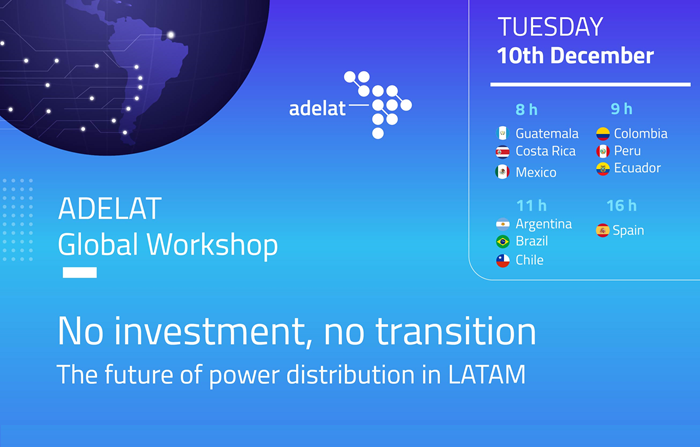
La Asociación de Distribuidoras de Energía Eléctrica Latinoamericanas (ADELAT) realizó un Workshop en el que expertos de la Agencia Internacional de Energías Renovables (IRENA) y la Agencia Internacional de Energía (IEA) expusieron sus puntos de vista en relación a la necesidad de acelerar las inversiones para la transición energética en las redes de distribución eléctrica de América Latina.

El presidente de ADELAT, Aldo Pessanha, dio la bienvenida al encuentro y realizó un resumen de la historia de la Asociación y su trabajo para potenciar el rol de las distribuidoras y facilitar la transición energética de la región.

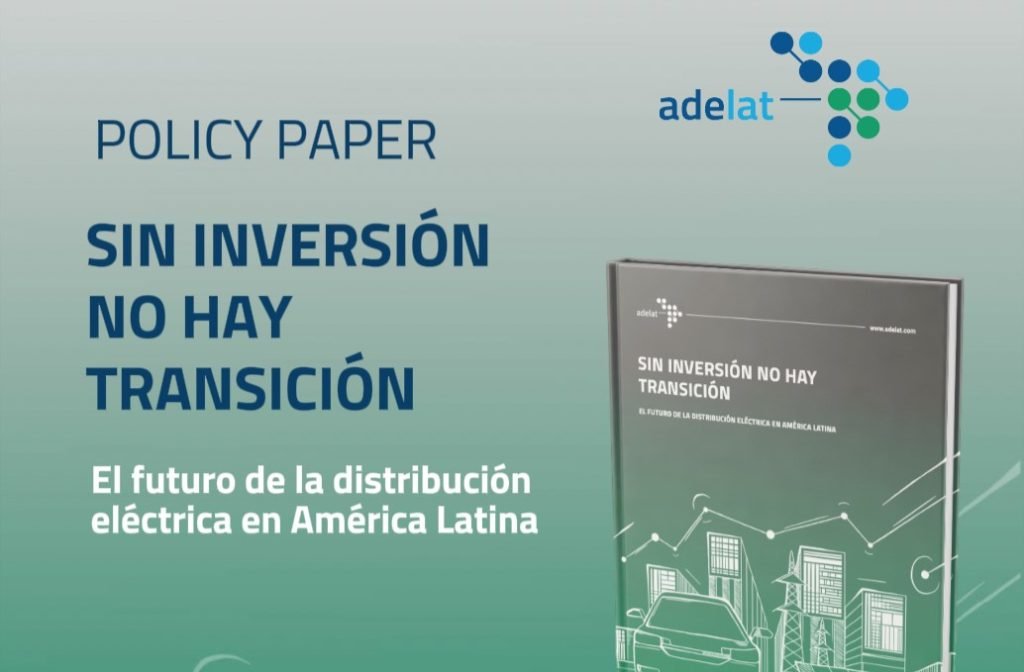
A continuación, la directora ejecutiva, Alessandra Amaral, explicó el rol de ADELAT como generadora de conocimiento e introdujo el tema de debate, para luego dar lugar al director de Gestión del Conocimiento, Roberto Cajamarca, quien presentó las conclusiones del Policy Paper publicado por la Asociación, denominado “Sin inversión no hay transición. El futuro de la distribución eléctrica en América Latina”, cuyos resultados revelan que se requerirán inversiones adicionales de hasta USD 289 mil millones para las distribuidoras de 7 países analizados, hasta el año 2040.

Luego, Amaral retomó la palabra para presentar a los dos expertos invitados: Ricardo Gorini (Head of REmap de IRENA) y Pablo Hevia-Koch (Head of Renewable Integration and secure electricity de IEA).

Gorini se refirió a algunos estudios publicados por IRENA en relación con la transformación energética y la necesidad de inversiones a nivel global para mejorar los sistemas de distribución. También hizo hincapié en el papel de la banca, los reguladores y los planificadores para viabilizar la financiación y de esta manera generar menos impacto en las tarifas.

“La capacidad de pago de la sociedad está limitada, por eso hay que ver cómo compensar ese proceso de una manera estructurada y planificada”, afirmó.

Hevia-Koch, por otro lado, enfatizó que la naturaleza de los sistemas eléctricos está cambiando y que la inversión en distribución es crítica, tanto para economías emergentes como para las avanzadas. “En los últimos cinco años la inversión en redes a nivel mundial ha estado estancada”, aseguró, y alertó que si las inversiones no se materializan se frenará el crecimiento de energías renovables y aumentará aún más la dependencia hacia los combustibles fósiles.

Después de las exposiciones, se abrió un espacio de debate interactivo en el que los asistentes respondieron preguntas, votaron entre diferentes opciones y realizaron sus propias consultas a los panelistas.

Fuente: Perú Energía

Se acabó el mito: sin inversión no hay transición energética

Se acabó el mito: sin inversión no hay transición energética

Los resultados revelan que se requerirán inversiones adicionales de hasta US$ 289.000 millones para las distribuidoras en América Latina hasta el 2040.

La Asociación de Distribuidoras de Energía Eléctrica Latinoamericanas (ADELAT) realizó un Workshop en el que expertos de la Agencia Internacional de Energías Renovables (IRENA) y la Agencia Internacional de Energía (IEA) expusieron sus puntos de vista en relación a la necesidad de acelerar las inversiones para la transición energética en las redes de distribución eléctrica de América Latina.

El presidente de ADELAT, Aldo Pessanha, realizó un resumen de la historia de la Asociación y su trabajo para potenciar el rol de las distribuidoras y facilitar la transición energética de la región.

En tanto, la directora ejecutiva, Alessandra Amaral, explicó el rol de ADELAT como generadora de conocimiento e introdujo el tema de debate, para luego dar lugar al Director de Gestión del Conocimiento, Roberto Cajamarca, quien presentó las conclusiones del Policy Paper publicado por la Asociación, denominado “Sin inversión no hay transición: El futuro de la distribución eléctrica en América Latina”, cuyos resultados revelan que se requerirán inversiones adicionales de hasta US$ 289 mil millones para las distribuidoras de 7 países analizados, hasta el año 2040.

En tanto, Ricardo Gorini (Head of REmap de IRENA) y Pablo Hevia-Koch (Head of Renewable Integration and Secure Electricity de IEA) dieron su mirada sobre el tema.

Gorini se refirió a algunos estudios publicados por IRENA en relación con la transformación energética y la necesidad de inversiones a nivel global para mejorar los sistemas de distribución.

También hizo hincapié en el papel de la banca, los reguladores y los planificadores para viabilizar la financiación y de esta manera generar menos impacto en las tarifas.

“La capacidad de pago de la sociedad está limitada, por eso hay que ver cómo compensar ese proceso de una manera estructurada y planificada”, afirmó Hevia-Koch y, por otro lado, enfatizó que” la naturaleza de los sistemas eléctricos está cambiando y que la inversión en distribución es crítica, tanto para economías emergentes como para las avanzadas”.

“En los últimos cinco años la inversión en redes a nivel mundial ha estado estancada”, aseguró, y alertó que “si las inversiones no se materializan se frenará el crecimiento de energías renovables y aumentará aún más la dependencia hacia los combustibles fósiles.

La Asociación de Distribuidoras de Energía Eléctrica Latinoamericana es una organización sin fines de lucro, creada a fines de 2021.
Se propone ser un referente de la actividad de distribución eléctrica con el objetivo de promover y acompañar el proceso de transformación de la distribución eléctrica Latinoamericana en el marco de la transición energética.


Fuente: El Economista

https://eleconomista.com.ar/energia/se-acabo-mito-inversion-hay-transicion-energetica-n80717

Digitalización y automatización: Adelat propone las claves para modernizar la distribución eléctrica en América Latina

Digitalización y automatización: Adelat propone las claves para modernizar la distribución eléctrica en América Latina

Un estudio de la entidad regional plantea que integrar energías renovables, reducir pérdidas y mejorar la calidad del servicio es posible mediante la incorporación de tecnologías avanzadas.

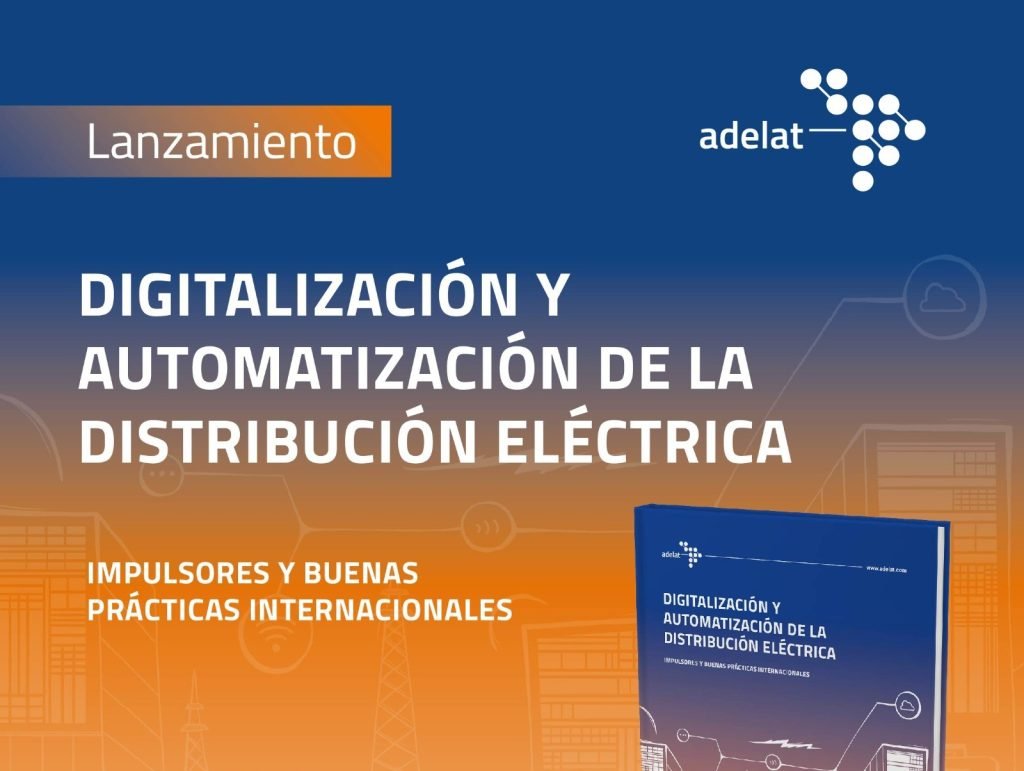
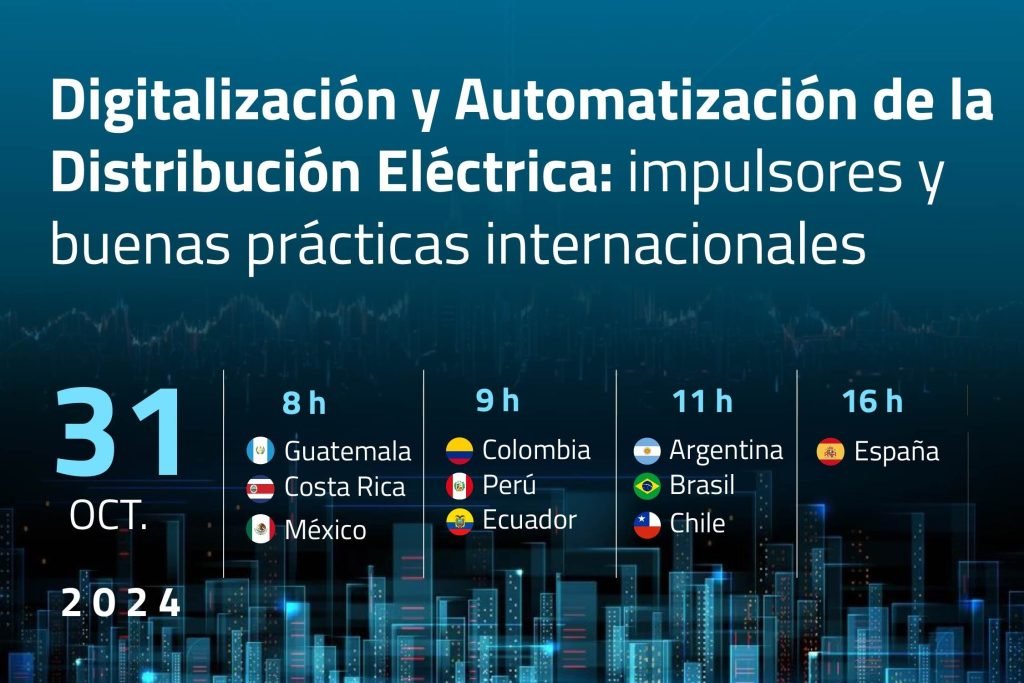
La Asociación de Distribuidoras de Energía Eléctrica Latinoamericanas (Adelat) publicó un nuevo estudio, sobre “Digitalización y automatización de la distribución eléctrica: impulsores y buenas prácticas internacionales”.

En este trabajo se plantea que, pese a las diferencias en desarrollo tecnológico entre los países de la región, todos enfrentan desafíos comunes: el crecimiento de la demanda, la necesidad de modernizar los sistemas de redes y la expectativa de consumidores que demandan mayor eficiencia.

En este sentido, el reporte plantea que la integración de energías renovables, la reducción de pérdidas y la mejora en la calidad del servicio son metas que la digitalización y automatización (D&A) pueden ayudar a lograr.

De igual manera, el estudio hace una revisión de tecnologías en redes y equipos, sistemas IT/OT, herramientas de analítica y comunicación disponibles, relevando sus beneficios operativos, económicos y ambientales. Sin embargo, advierte que su implementación varía significativamente entre los países por factores como marcos regulatorios, inversión y prioridades gubernamentales.

Además, el documento expone los entornos regulatorios necesarios para adoptar estas innovaciones y presenta casos de éxito en Estados Unidos, Europa y Asia, adaptables a la realidad local.

Como parte del lanzamiento, Adelat organizó un webinar, “Voz Experta Adelat 2024” en el que participaron expertos regionales. Durante el encuentro, Alessandra Amaral, directora ejecutiva, y Roberto Cajamarca, director de Conocimiento de Adelat, expusieron las conclusiones del estudio. Junto a ellos, especialistas como Jorge Rodríguez Vargas (ICE), Juan David Molina (Colombia Inteligente), Márcio Szechtman y Pablo Betancur (Huawei) compartieron experiencias prácticas y lecciones para avanzar en esta transformación.

Fuente: Revista Electricidad

https://www.revistaei.cl/digitalizacion-y-automatizacion-adelat-propone-las-claves-para-modernizar-la-distribucion-electrica-en-america-latina/

ADELAT carried out a Global Workshop about the need of investments in power distribution for the energy transition

ADELAT carried out a Global Workshop about the need of investments in power distribution for the energy transition

The Association of Latin American Electrical Energy Distributors (ADELAT) held a Workshop in which experts from the International Renewable Energy Agency (IRENA) and the International Energy Agency (IEA) shared their perspectives on the need to accelerate the investments for the energy transition in the power distribution networks of Latin America.

The president of ADELAT, Aldo Pessanha, welcomed the meeting and gave a summary of the history of the Association and its work to enhance the role of distributors and facilitate the energy transition of the region.

Then, the executive director, Alessandra Amaral, explained ADELAT’s role as a knowledge generator and introduced the topic of debate. Next she gave the floor to the Knowledge Management Director, Roberto Cajamarca, who presented the conclusions of the Policy Paper published by the Association, called “No investment, no transition. The future of electricity distribution in Latin America”, whose results reveal that additional investments of up to US$ 289 billion will be required for distributors in 7 countries analyzed, until the year 2040.

Next, Amaral took the floor again to introduce the two invited experts: Ricardo Gorini (Head of REmap at IRENA) and Pablo Hevia-Koch (Head of Renewable Integration and secure electricity at IEA).

Gorini referred to the studies published by IRENA in relation to energy transformation and the need for investments at a global level to improve distribution systems. He also emphasized the role of banks, regulators and planners to make financing viable and thus generate less impact on tariffs. “Society’s payment capacity is limited, so we have to see how to compensate for this process in a structured and planned way,” he stated.

Hevia-Koch, on the other hand, emphasized that the nature of electricity systems is changing and that investment in distribution is critical, for both emerging and advanced economies. “In the last five years, investment in networks worldwide has been stagnant,” he said, and warned that if the investments do not materialize, the growth of renewable energies will be slowed and dependence on fossil fuels will further increase.

After the presentations, an interactive debate took place, in which participants answered questions, voted between different options and asked their own questions to the panelists.

We thank all attendees for their active participation and we trust that this event contributed to promoting dialogue and knowledge on such an important topic for the effective energy transformation of Latin America.


*For more information or press releases, write to comunicacion@darkturquoise-zebra-776384.hostingersite.com


Funding Latin America’s Energy Transition

Funding Latin America’s Energy Transition

By Felicity Bradstock 


  • Latin America has significant potential to increase its renewable energy capacity, with countries like Brazil and Chile leading the way.
  • The region needs substantial investment in both renewable energy generation and distribution infrastructure to achieve its ambitious climate goals.
  • Overcoming challenges such as regulatory uncertainty and securing financing will be crucial for a successful energy transition in Latin America.


Several countries across Latin America have made ambitious climate pledges over the last few years, but can they deliver on their promises? The region is well known for its oil and gas production, as well as for its rapidly expanding critical mineral industry. Using experience from already strong energy sectors, can countries such as Brazil, Mexico and Chile become renewable energy powerhouses and support long-term regional energy security? 

Renewable energy currently contributes around 60 percent of Latin America’s electricity generation, mainly thanks to its well-established hydropower sector. Within the region, 16 countries are part of the Renewable Energy for Latin America and the Caribbean

(RELAC) initiative, established at the 2019 UN Climate Action Summit. Most countries in the Caribbean region have established renewable energy goals, and several have set quantitative targets, which are expected to contribute to a twofold increase in the region’s renewable energy capacity between 2022 and 2030. The figure falls to a 1.4 times capacity increase for the Latin America and Caribbean region overall. 

The International Energy Agency (IEA) recently reported that Latin America has the potential to achieve higher 2030 ambitions than it has announced, having installed an average of 26 GW between 2022 and 2023, which far exceeds the pace required to achieve its 2030 goals. Given the region’s untapped economically viable hydropower, solar PV, and wind potential, ambitions for 2030 installed capacity could be higher, according to the IEA. 

According to the report, the Latin American region aims to increase its total renewable energy capacity by 39 percent from the 2022 level, to reach 450 GW. Brazil, Chile, Argentina and Mexico account for almost 80 percent of this capacity growth target. Meanwhile, Brazil’s renewable energy aims contribute 50 percent of this share, while Chile hopes to expand its renewable energy capacity by an ambitious 2.5 times. 

At present, there are a reported 8,000 renewable energy projects or more in the early stages of development in the region, with a total investment of around $232.8 billion, as well as 700 projects worth $20.8 billion under construction. Fossil fuels continue to contribute around two-thirds of Latin America’s energy mix, although this is far less than the global average contribution of 80 percent. However, the average contribution of fossil fuels to the energy mix in Mexico, Argentina, Bolivia and Venezuela is around 85 percent, demonstrating the need for greater decarbonisation efforts in these countries to reduce the average regional reliance on oil, gas and coal. 

Latin America’s energy distribution sector will require around $431 billion in investment between now and 2040 to achieve an “effective transition” scenario, according to a recent publication from the distribution association Adelat. Research conducted by the consultancy Grupo Mercados Energéticos for Adelat analysed the distribution systems in Argentina, Brazil, Chile, Colombia, Ecuador, Guatemala and Peru. 

The effective transition scenario outlined in the report is based on a Deloitte study for European countries for 2030. The research also considers a “partial transition” scenario, where around half of the climate targets are achieved. Alessandra Amaral, the Executive Director of Adelat, explained, “The results show that, in the effective energy transition scenario, a total investment of $289 billion is required in addition to trend growth of $143 billion, making a total of $431 billion for the distributors in the seven countries analysed over a period of 17 years.” Amaral added, “In the partial energy transition scenario, the additional investments amount to $174 billion, which, when combined with the $133 billion in trend growth, totals $307 billion.”

While the publication estimates just how much financing will be required to achieve a green transition, it does not suggest who should provide this funding. In Chile, the previous administration trialled a smart metre initiative, aimed at charging billpayers based on their energy usage. However, this sparked opposition from consumers. 

In the report, the consultancy states that the countries assessed must “overcome challenges arising from financial limitations, regulatory uncertainty, resistance to change from certain stakeholders, and the need to develop technical and operational capacities in distribution system operators,” to support an effective transition. 

Brazil and Chile are making significant strides in boosting their renewable energy capacity, ranking second and fourth respectively in the 2024 Renewable Energy Tracker from Climate Action Network. Meanwhile, Argentina ranked 21st, Mexico 23rd, and Uruguay 27th, out of the 62 countries assessed. 

In Mexico, the previous administration halted energy transition policies in favour of redeveloping the country’s oil and gas assets and nationalising energy. However, there is hope that the newly-elected government, led by President Claudia Sheinbaum, will introduce policies aimed at developing Mexico’s renewable energy capacity to help contribute to regional efforts.  

There is significant potential for Latin America and the Caribbean to undergo a green transition by increasing their renewable energy capacity and reducing their dependence on fossil fuels. Several countries across the region have abundant green resources that could be exploited with greater funding and favourable climate policies. However, to achieve an effective transition, the region must invest heavily in the development of new capacity as well as in the modernisation of its distribution sector. 

By Felicity Bradstock 


Fuente: Oilprice.com 

https://oilprice.com/Energy/Energy-General/Funding-Latin-Americas-Energy-Transition.html#google_vignette

Redes elétricas na América Latina devem custar mais de US$ 430 bilhões, prevê Adelat

Redes elétricas na América Latina devem custar mais de US$ 430 bilhões, prevê Adelat

Para a Associação de Distribuidores de Eletricidade Latino-Americana (Adelat), o desafio é definir como financiar a modernização e digitalização das redes de energia. Tema foi debatido durante 16º Fórum Latino-Americano de Redes Inteligentes, que se encerrou ontem, em São Paulo

Preparar as redes de energia elétrica na América Latina para responderem rapidamente aos cada vez mais frequentes eventos climáticos extremos, além de tornar sua estrutura adequada para receberem a energia de fontes renováveis variáveis, como a eólica e a solar, vão demandar investimentos superiores a US$ 430 bilhões (R$ 2,3 trilhão) nos próximos 16 anos.

O cálculo, que envolve apenas sete países-chaves da região (Argentina, Brasil, Chile, Colômbia, Equador, Guatemala e Peru) é da Associação de Distribuidores de Eletricidade Latino-Americana (Adelat) e foi apresentado durante o 16º Fórum Latino-Americano de Redes Inteligentes (Smart Grid), durante o painel Sustentabilidade das empresas de distribuição elétrica na América Latina, que ocorreu esta semana em São Paulo, com a participação, ainda de representantes da ANEEL, da ARIAE (Espanha), do Centro de Estudos de Regulação e Infraestrutura da Fundação Getúlio Vargas, do Comissão de Integração Energética Regional (CIER), do Uruguai e da Aliança Colômbia Inteligente.

O valor do investimento nas redes elétricas do continente foi apresentado por Alessandra Amaral, diretora executiva da Adelat, que congrega as principais distribuidoras de energia elétrica na América Latina. No cálculo estão incluídos os investimentos para ampliação da rede (33%), modernização e melhoria da infraestrutura com implantação de parcial de redes subterrâneas e sistemas digitais de medição (29%) e preparação da rede para novos usos (10%).

No caso específico do Brasil, a Adelat aponta a necessidade de US$ 90 bilhões (cerca de R$ 490 bilhões) até 2040. Isso representa um investimento médio anual de mais de R$ 30 bilhões.“São números expressivos, mas é importante lembrar que não realizar esses investimentos implicará em outros tipos de custos”, alertou a diretora executiva da entidade.

Para Amaral, a tendência é que os problemas de inadequação das redes para a absorção das energias de fontes renováveis variáveis e falta de resiliências aos eventos climáticos extremos, só devem aumentar nos próximos anos.

Quem paga a conta?

Os valores para tornar as redes elétricas mais eficientes e melhor preparadas para enfrentar o novo normal do clima são expressivos e propõe a pergunta: quem paga essa conta?

Entre as propostas estão a redução dos subsídios do setor elétrico que, segundo a Aneel, neste ano devem atingir R$ 37 bilhões, mas que podem chegar a R$ 45 bilhões. Estão incluídos nesse valor a tarifa social para consumidores de baixa renda, os recursos do programa Luz para Todos, descontos para a compra de carvão por usinas térmica e subvenções para usinas eólicas e solares, sendo que esse último é o que recebe a maior parcela desses subsídios (cerca de 44%).

“Os subsídios são uma conta salgada. Cabe aos legisladores e formuladores de política definir como ela deve ser paga”, pontuou Carlos Alberto Mattar, superintendente de Regulação dos Serviços de Transmissão e Distribuição de Energia Elétrica da Agência Nacional de Energia Elétrica (ANEEL) e diretor da Associação Ibero-Americana de Entidades Reguladoras de Energia (ARIAE), que também participou do painel. E complementou: “importante lembrar que, no Brasil, a conta de energia elétrica representa quase 10% do orçamento familiar para quase 1/3 dos consumidores residenciais”, complementou.

Alternativas

De acordo com Mattar, uma das alternativas para reduzir o repasse dessa conta para os consumidores é possibilitar que as distribuidoras ofereçam outros serviços aos consumidores, além da comercialização da energia elétrica. “Teremos nos próximos seis anos a renovação de 19 concessões de empresas de distribuição de energia e, no processo de recontratação, está previsto a liberação que as concessionárias prestem outros serviços como, por exemplo, o de telecomunicações”, disse.

De acordo com Mattar, a agência abriu em outubro processo de consulta pública que visa ouvir o mercado e a população sobre a renovação dos contratos de concessões para as distribuidoras. “Incluímos também nos novos contratos metas de eficiência na recomposição dos serviços após eventos climáticos extremos”, informou.

Transição energética justa

Para Joísa Dutra, diretora do Centro de Estudos de Regulação e Infraestrutura da Fundação Getúlio Vargas (CERI-FGV), os investimentos em modernização das redes são muito necessários, mas isso não pode ser feito apenas pela priorização dos aspectos operacionais. “O consumidor precisa ser considerado. O governo brasileiro tem se posicionado, inclusive no G20, por uma transição energética justa. Então precisamos falar de justiça nesse processo”, disse.

Ela também destacou que as distribuidoras deveriam indicar claramente os benefícios que cada aspecto da modernização das redes trará aos consumidores, em particular os medidores digitais. “As distribuidoras precisam esclarecer isso. Se o consumidor vai pagar, é oportuno indicar o que será pago e porque isso será bom para ele. Há experiências internacionais em que as distribuidoras tentaram impor essa mudança e fracassaram”, disse. A diretora do CERI-FGV disse ainda que as mudanças, apesar de importantes, devem ser implementadas de forma gradual e começar pelos locais em que essa modernização é mais necessária.

Foco na geração

Túlio Alves, diretor executivo da Comissão de Integração Energética Regional (CIER), sediada no Uruguai, lembrou que nos últimos anos, os governos latinos se preocuparam mais em incentivar a geração de energias renováveis do que a modernização das redes. Para ele, alguns países avançaram rapidamente na produção de energias renováveis não convencionais, como a solar e a eólica, mas não tiveram o mesmo cuidado em incentivar a modernização das redes.

“Transição energética não implica apenas na mudança das fontes de produção de energia, mas também na forma como essa energia é transportada, distribuída e consumida”, disse Alves. De acordo com o diretor da CIER, a adaptação das redes de distribuição é fundamental para garantir a estabilidade do novo paradigma energético.

Para o painelista, cabe aos gestores de políticas públicas definirem tarifas e incentivos apropriados ao sistema elétrico, que reflitam os custos reais e permitam a modernização dos sistemas. “É preciso que as pessoas entendam que sem redes de transmissão e distribuição adequadas, não há transição energética. As redes precisam ser adaptadas para gerenciar, especialmente, a variabilidade da geração de energia eólica e solar, a depender das condições climáticas”, argumentou.

Do ponto de vista da segurança do sistema, Alves destacou que, além das redes com maior resiliência, é fundamental a diversificação das fontes. “Não podemos abrir mão da geração hidrelétrica e das termoelétricas, que garantem geração continuada. A segurança energética também depende de fontes diversificadas”, alertou.

Experiência colombiana

Durante o painel também foi apresentada a experiência de modernização das redes de transmissão na Colômbia. Juan David Molina Castro, líder de gestão da Aliança Colômbia Inteligente, disse que o avanço na modernização, para ser eficiente, envolve políticas públicas adequadas, regulação, planejamento, vigilância e controle. “Além disso para avançar é importante termos disponíveis recursos, dados e infraestrutura. E não podemos esquecer de envolver o consumidor nesse processo”, destacou.

De acordo com Castro, a Colômbia possui 29 operadoras, que estão implementando a modernização das redes de forma gradual e estratégica. “Duas já fizeram importantes avanços no restabelecimento automático das redes e outras duas estão fazendo essa atualização, uma já implementou gestão avançada de dados e outras quatro estão em fase de implementação e 15 delas estão desenvolvendo estruturas para o carregamento de veículos elétricos”, enumerou. “O principal avanço registrado até agora é na absorção da geração distribuída, mas estamos seguindo e nos próximos anos temos expectativas de atingirmos nossa meta de tornar inteligentes as redes elétricas colombianas”, previu.


Fuente: O Setor Elétrico

https://www.osetoreletrico.com.br/redes-eletricas-na-america-latina-devem-custar-mais-de-us-430-bilhoes-preve-adelat/

ADELAT launches webinar on digitization and automation in power distribution

ADELAT launches webinar on digitization and automation in power distribution

Next October 31st, a new edition of Expert Voice Adelaticycle will be carried out via Zoom and LinkedIn Live: “Digitization and automation of power distribution. Drivers and good international practices”. This event requires prior registration and will have simultaneous translation into Spanish and Portuguese.

During the meeting, we will present the main conclusions of our last DSO Brief, with a focus on the role of digitization and automation as tools that are transforming the way in which power infrastructure is managed globally and how they can contribute to improve resilience, efficiency and sustainability of LATAM distribution systems.

The increase in power demand, together with the growing consumers’ expectations for a more efficient, sustainable and personalized service, highlight the imperative need to modernize the region’s distribution networks.

We will analyze global trends in the implementation of new technologies (IT/OT systems, GIS, AMI, Sensory, Big Data, AI and machine learning, among others). In addition, experts will discuss concrete actions for governments and regulatory agencies to promote the implementation of digitization and automation of electrical distribution.

The event will also include the presentation of good practices and international success stories in the implementation of digital technologies and their possible adaptation to the region, considering local existing infrastructure, technological capabilities, and socioeconomic conditions.

We trust that this meeting will be a valuable opportunity to exchange knowledge and experiences and thus contribute to the analysis of key issues to advance in the region’s power transformation process.


*For more information or press releases, write to comunicacion@darkturquoise-zebra-776384.hostingersite.com

ADELAT presents a study on the necessary investments in power distribution for the energy transition in Latin America

ADELAT presents a study on the necessary investments in power distribution for the energy transition in Latin America

The Association of Latin American Electrical Energy Distributors (ADELAT) launched the policy paper “No investment, no transition: the future of power distribution in Latin America”, which analyzes the investment needs in Argentina, Brazil, Chile, Colombia, Ecuador, Guatemala and Peru to advance an effective energy transformation.

This study identifies eleven vectors that are fundamental for the energy transition such as Electrification of New Uses, Electromobility, Connection to Distributed Generation, Digitalization and Automation, AMI (Advanced Metering Infrastructure), Service Quality, Resilience, Network Upgrade, Batteries , Loss Normalization and Universalization. These trends represent an opportunity to meet climate commitments and improve the life quality in the analyzed countries.

The analysis was commissioned to the consulting firm Grupo Mercados Energéticos, with data provided by the associated distribution companies, a detailed characterization of the current situation in each country and energy demand projections. In this way, two possible transition scenarios were established for the year 2040: one of Effective Energy Transition (compatible with the objectives established in “Connecting the Dots”, a study developed by Deloitte for Eurelectric), and another of Partial Energy Transition.

The results reveal that the first case requires an investment of US$ 289 billion additional to what would occur if the recent trend continued (US$ 143 billion), making a total of US$ 431 billion for the distributors of the 7 analyzed countries, in a time window of 17 years. For the second case, the additional investments are US$ 174 billion which, added to the US$ 133 billion of a trend, make a total of US$ 307 billion.

The paper also highlights the operational, economic, social and environmental benefits of these investments, including reductions in operating costs, which will be quantified in a second stage of the work, and the improvement of the energy services quality in the region.

In this context, ADELAT made an online presentation of the main findings, in which prominent professionals from the sector participated. The Head of the Electrical Department of the National Energy Commission of Chile, Danilo Zurita, stated: “We must modify our distribution regulatory framework to provide certainty and benefits to all those involved, recognizing the local realities of each company and incorporating new technologies”.

The director of ARIAE Electricity Working Group and Superintendent of Regulation of Distribution Services of ANEEL (Brazil), Carlos Alberto Calixto Mattar, agreed that the current model requires a review. “There is no possibility of having an energy transition if there is no investment in transmission and distribution networks,” he concluded.

The advisor of the Executive Secretary at OLADE, Medardo Cadena, said that achieving the goal of zero emissions by 2050 requires increasing the participation of electricity in the energy matrix. He specified that one of the great challenges is to guarantee that the impact of this transition is minimal for the end user, so that “the end user really feels a positive effect on the total energy bill of this entire process that we are experiencing.”

The Energy Specialist of the Inter-American Development Bank (IDB), Augusto Bonzi, added: “Whenever we think about investments and infrastructure, we must also consider employment and gender equality, to ensure that the energy transition is also sustainable”.

This meeting was part of the “ADELAT Expert Voice” Cycle which, like other initiatives of the association, seeks to promote the construction of a common language that allows regulators, distribution companies, governments and civil society to understand and effectively communicate  the essential aspects of distribution activity in the context of the energy transition.


Download the full study or its summary in your preferred language:

Spanish: https://bit.ly/Paper_Inversiones / https://bit.ly/Resumen_Inversiones

Portuguese: https://bit.ly/Paper_Investimentos / https://bit.ly/Resumo_Investimentos


*For more information or press releases, write to comunicacion@darkturquoise-zebra-776384.hostingersite.com 


About ADELAT

The Association of Latin American Electrical Energy Distributors is a non-profit organization, created at the end of 2021. It aims to be a reference in electrical distribution activity with the objective of promoting and accompanying the transformation process of Latin American electrical distribution in the framework of the energy transition.

¿Cuál es la inversión necesaria para la distribución eléctrica en Latinoamérica?

¿Cuál es la inversión necesaria para la distribución eléctrica en Latinoamérica?

La Asociación de Distribuidoras de Energía Eléctrica Latinoamericanas (ADELAT), ha lanzado el informe titulado “Sin inversión no hay transición: el futuro de la distribución eléctrica en América Latina”. Este estudio detalla las inversiones necesarias en los sistemas de distribución eléctrica en Argentina, Brasil, Chile, Colombia, Ecuador, Guatemala y Perú para lograr una transición energética efectiva.

El informe identifica once vectores fundamentales para la transición energética, tales como la electrificación de nuevos usos, la electromovilidad, la digitalización, y la infraestructura de medición avanzada (AMI). Estos factores son esenciales para modernizar las redes eléctricas y cumplir con los compromisos climáticos.


Proyecciones de inversión hasta 2040

El análisis realizado por Grupo Mercados Energéticos presenta dos escenarios de inversión para 2040:

1. Transición Energética Efectiva: Requiere una inversión total de US$ 431 mil millones, que incluye US$ 289 mil millones adicionales sobre la tendencia actual.

2. Transición Energética Parcial: Necesita una inversión total de US$ 307 mil millones, sumando US$ 174 mil millones adicionales a las proyecciones actuales.

Estos escenarios muestran la magnitud de la inversión requerida para transformar las redes de distribución eléctrica y adaptarlas a las nuevas demandas y tecnologías.

Beneficios y desafíos

Las inversiones propuestas podrían traer beneficios significativos, como la reducción de costos operativos y mejoras en la calidad del servicio eléctrico. Sin embargo, se enfrentan desafíos como la necesidad de ajustar marcos regulatorios y asegurar que la transición no incremente significativamente los costos para los usuarios finales.

Durante la presentación del estudio, Danilo Zurita, Jefe del Departamento Eléctrico de la Comisión Nacional de Energía de Chile, y Carlos Alberto Calixto Mattar, Director del Grupo de Trabajo de Electricidad de ARIAE, enfatizaron la importancia de actualizar las regulaciones y garantizar inversiones en infraestructura. Medardo Cadena de OLADE y Augusto Bonzi del BID también destacaron la necesidad de considerar aspectos como el impacto en los usuarios y la equidad en las inversiones.


Iniciativas de ADELAT

El estudio forma parte del ciclo “Voz Experta ADELAT”, que busca promover un diálogo entre reguladores, empresas distribuidoras, gobiernos y la sociedad civil. La iniciativa tiene como objetivo asegurar una transición energética coordinada y sostenible en Latinoamérica, proporcionando un marco para comprender y abordar los desafíos de la modernización de las redes eléctricas.


Fuente: Review Energy

https://www.review-energy.com/otras-fuentes/-cual-es-la-inversion-necesaria-para-la-distribucion-electrica-en-latinoamerica